
2026-11-28T00:33:05.03+00:00
Returning to the Gym After a BBL in New York: Week-by-Week Recovery Timeline
Dr. Ronald Espinoza · 5 min read
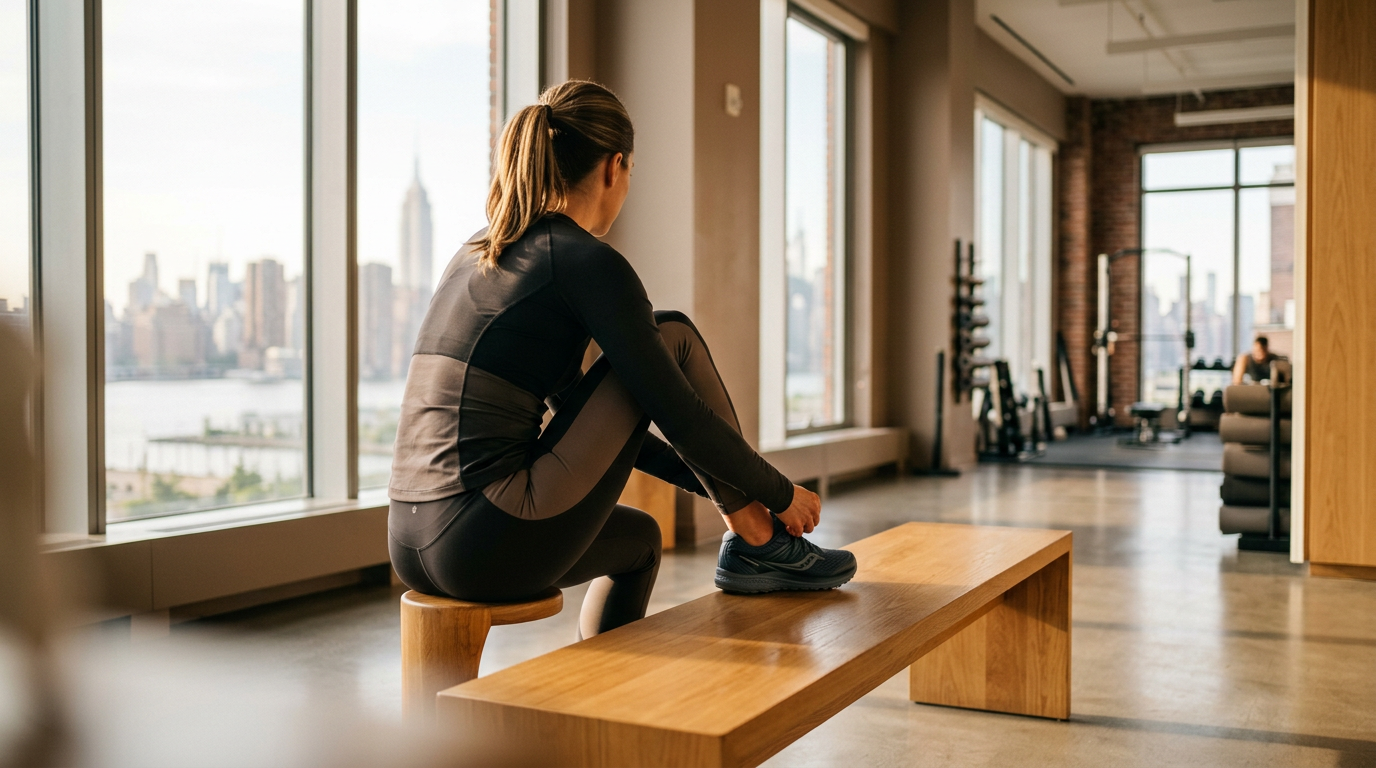
For active individuals living in New York, exercise is often an essential part of daily life. Whether you train at a neighborhood fitness studio in Brooklyn, jog along the East River, or lift at an athletic club in Manhattan, taking time away from your routine to undergo a Brazilian Butt Lift (BBL) requires patience and planning. Many bilingual patients consult with Dr. Ronald Espinoza asking specifically about the milestone to volver al gimnasio despues de un bbl. The short answer is that light walking begins immediately, but strenuous workouts and lower-body weight training must wait at least six to eight weeks to protect the newly transferred fat grafts.
Understanding Fat Survival and Exercise Mechanics
A Brazilian Butt Lift involves harvesting fat via liposuction from donor areas like the abdomen, flanks, or thighs, purifying it, and carefully grafting it into the buttocks and hips. For those transferred fat cells to survive permanently, they must establish a new blood supply, a biological process called neo-vascularization.
During the initial recovery period, these fat cells are fragile. Excessive pressure, friction, or premature cardiovascular activity can compromise graft survival in two distinct ways:
- Direct mechanical trauma: Tight workout apparel, seated machines, and high-impact movements can compress the tissues, starving new cells of oxygen.
- Metabolic shifts: Intense cardiovascular workouts burn calories at an accelerated rate, which can deplete sensitive, newly grafted fat cells before they establish reliable vascular connections.
Adhering to a conservative, phased exercise schedule ensures you preserve your surgical investment while safely regaining your strength.
Week-by-Week Exercise Timeline for New York BBL Patients
Recovery speeds vary based on individual healing capacity and the extent of liposuction performed. However, Dr. Ronald Espinoza recommends the following general progression for returning to physical activity.
Weeks 1 to 2: Rest, Gentle Walking, and Healing
Your sole physical activity during the first two weeks should be gentle, frequent walking. Walking promotes circulation, reduces swelling, and minimizes the risk of deep vein thrombosis.
- Walk indoors on flat surfaces or take short strolls around your home.
- Avoid all structured workouts, weight training, and stretching.
- Wear your medical-grade compression garment (faja) continuously, as directed.
- Avoid sitting directly on your buttocks; use a specialized BBL pillow when sitting is unavoidable.
Weeks 3 to 4: Extending Strolls and Light Mobility
By the third week, initial post-operative soreness begins to subside. While your fat grafts are establishing stable vascular networks, you still need to avoid direct pressure and elevated heart rates.
- Increase your walking tolerance with gentle outdoor strolls on level paths.
- Perform light upper-body mobility stretches while standing.
- Do not perform squats, lunges, hip thrusts, or stair climbers.
- Avoid spin bikes, rowing machines, and any exercise requiring you to sit on hard equipment.
Weeks 5 to 6: Light Resistance and Standing Upper-Body Work
At the six-week mark, most patients receive clearance to begin low-impact, modified training. The focus during this phase is gentle reconditioning without putting direct strain on the gluteal region.
- Perform standing or chest-supported upper-body exercises using light dumbbells or resistance bands (such as standing bicep curls and lateral raises).
- Incorporate flat-surface treadmill walking or gentle incline walking at an easy pace.
- Do not lift heavy weights that cause intra-abdominal pressure or clenching of the glutes.
- Continue to avoid direct pressure on the buttocks during bench presses or seated cable rows.
Weeks 7 to 8: Gradual Lower-Body Reintroduction
Between weeks seven and eight, tissue integration is significantly more resilient. With your surgeon's approval, you can begin introducing bodyweight movements for your legs and core.
- Start with unweighted bodyweight squats, step-ups, and gentle lunges to test your comfort.
- Incorporate light core exercises that do not require lying directly on hard floors without cushioning.
- Keep resistance conservative, focusing on proper form and mind-muscle connection.
- Listen carefully to your body; if you experience sharp pain or sudden swelling, pause and rest.
Week 9 and Beyond: Full Workouts and Heavy Lifting
Most patients are cleared to resume their full fitness regimens around month three. At this stage, you can progressively overload lower-body exercises like deadlifts, weighted hip thrusts, and barbell squats to build the underlying muscle foundation that complements your transferred fat.
Navigating Gyms and Commutes Across New York City After Surgery
Living in New York presents unique recovery considerations for fitness enthusiasts. The daily commute alone often demands thousands of steps, subway stairs, and crowded sidewalks.
Public Transit and Travel Logistics
During the first month post-surgery, navigating the New York City subway system can be challenging. The sudden stops of trains and crowded platforms create accidental bump hazards for healing tissues. When traveling to follow-up consultations at Dr. Espinoza's office, consider arranging private rideshare or car services equipped with your BBL cushion to avoid unnecessary strain.
Choosing the Right Gym Environment
When you are cleared to train again, choose your workout spaces thoughtfully:
- Boutique studios and open floors: Look for facilities in neighborhoods like Midtown, SoHo, or Long Island City that offer spacious open-turf areas where you can stretch and perform standing drills without bumping into others.
- Equipment sanitation: Since you may have healing liposuction incision sites, maintain strict hygiene when using shared benches, mats, and machines.
- Hydration in urban climates: Whether dealing with humid New York summers or heated winter gyms, stay consistently hydrated to help your lymphatic system process residual post-surgical fluid.
Nutrition to Support Muscle Recovery and Fat Retention
Working out after surgery requires a thoughtful nutritional strategy. Many people mistakenly cut calories immediately after surgery in an effort to lean out. However, surviving fat cells need stable caloric and nutrient support.
Maintain a diet rich in lean proteins (such as poultry, fish, tofu, and legumes) to assist muscle repair from exercise and donor-site tissue healing. Incorporate healthy fats from avocados, nuts, and olive oil to support cellular health. Avoid severe caloric deficits during the first three months of your recovery so you do not inadvertently burn through your transferred fat volume while rebuilding your cardiovascular endurance.
Schedule your consultation with Dr. Ronald Espinoza
Dr. Espinoza and his team guide you through every step, from your first consultation to full recovery.
Request a consultation · Call (212) 299-9979 · See before & after results · Financing options
Frequently asked questions
- ¿Por qué es tan importante esperar para volver al gimnasio despues de un bbl?
- Waiting allows newly transferred fat cells to establish an uninterrupted blood supply. Premature strenuous exercise or sitting on gym equipment can crush fragile fat cells or burn them off before they permanently integrate.
- Can I do cardio workouts during the first month after a BBL?
- High-intensity cardio, running, spin classes, and stair climbers should be avoided for at least six to eight weeks. Only low-intensity, flat walking is recommended during the initial post-operative month to encourage circulation without burning delicate fat grafts.
- How should I handle my daily commute in New York after surgery?
- During the first two to three weeks, minimize long walks on crowded New York sidewalks and avoid packed subway cars where accidental jostling can occur. When taking taxis or rideshares, use your specialized BBL pillow to keep pressure off the lower buttocks.
- When can I perform weighted squats and hip thrusts?
- Most patients can begin light, bodyweight lower-body movements around weeks seven to eight, progressing to weighted squats and hip thrusts around months two to three, once cleared by Dr. Ronald Espinoza.