
2026-11-28T00:47:18.166+00:00
Returning to Chest, Arm, and Cardio Workouts After Breast Augmentation in New York
Dr. Ronald Espinoza · 6 min read
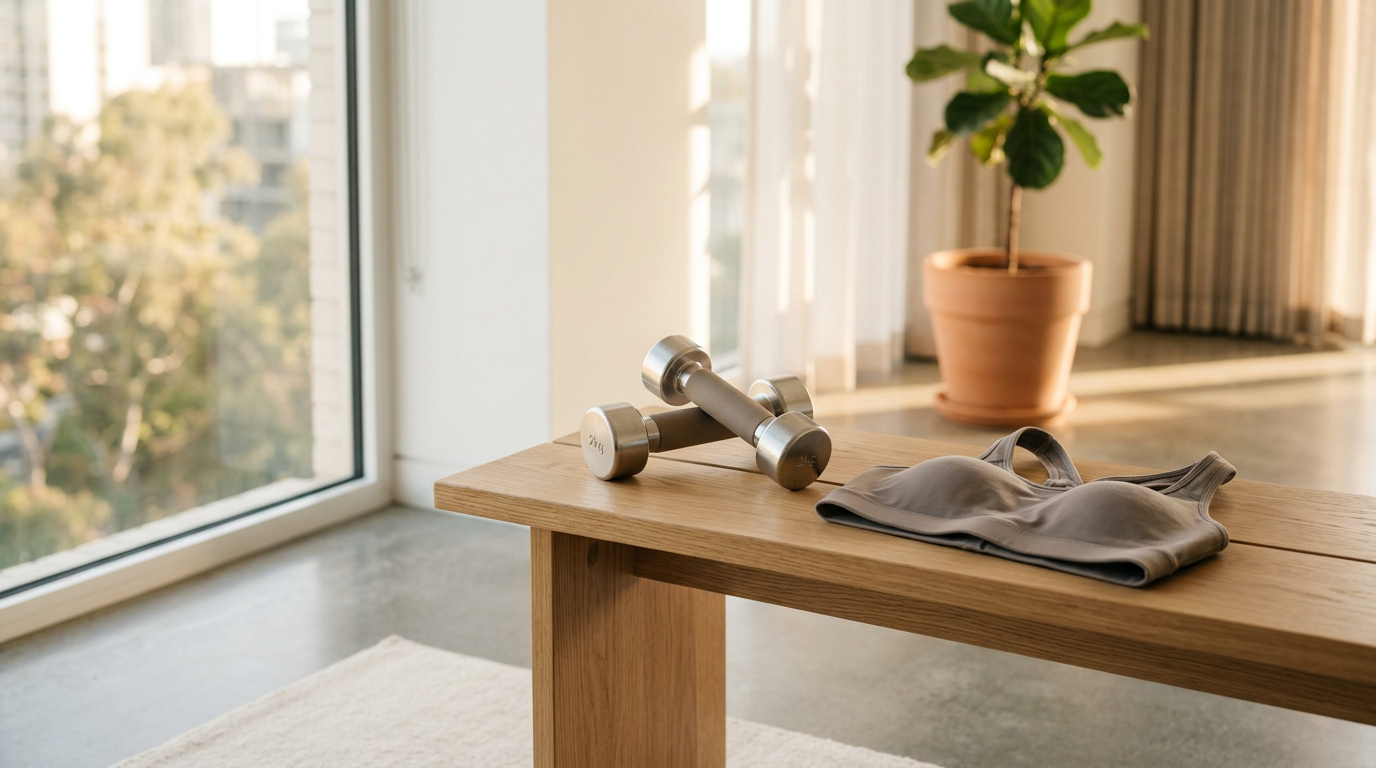
For fitness enthusiasts living in New York, maintaining an active lifestyle is central to daily wellness. Whether you train at a private boutique gym in Manhattan, take functional fitness classes in Williamsburg, or run along the Hudson River Greenway, undergoing breast augmentation requires a structured pause in your routine. Healing is not simply about wound closure; it involves the internal integration of the implant within your soft tissues. Knowing precisely when and how to resume upper-body conditioning—specifically chest and arm training—as well as high-impact cardiovascular exercises like running, is critical for protecting your aesthetic outcome and avoiding long-term complications.
The Biological Timeline: Why Upper-Body Training Requires Patience
During breast augmentation, a surgical pocket is carefully created either above the chest muscle (subglandular) or partially beneath the pectoralis major muscle (subpectoral or dual-plane). When implants are placed in a dual-plane configuration, the pectoral muscle fibers are elevated and partially released to accommodate the implant. Any subsequent contraction of this muscle exerts direct mechanical pressure onto the healing implant pocket.
Engaging your chest or shoulders too early can lead to several surgical setbacks:
- Implant Displacement: Excessive muscular contraction can push an implant downward (bottoming out) or outward (lateral displacement) before the internal tissue pocket has secured it.
- Hematoma and Seroma: Shearing forces caused by muscle flex can rupture microscopic blood vessels or provoke inflammatory fluid accumulation around the implant.
- Incision Strain: Heavy pushing, pulling, or overhead lifting stretches the healing skin along the inframammary or periareolar incisions, increasing the risk of thickened scars.
- Delayed Capsular Stabilization: The body naturally builds a delicate collagen capsule around each implant over the first eight to twelve weeks. Repeated muscle motion disrupts this stabilization.
Safe Timeline for Upper Body Exercise for New York Breast Augmentation Patients
While healing rates vary according to individual biology and whether your implants were placed over or under the muscle, the following progression serves as a general clinical roadmap for returning to upper-body training.
Weeks 1 to 2: Strict Upper-Body Rest
During your first fortnight post-surgery, upper-body training is strictly off-limits. Keep your elbows close to your torso when standing up, avoid pushing yourself up from a seated position with your arms, and do not lift anything heavier than a gallon of milk (roughly eight to ten pounds). Light, flat-surface walking—such as casual strolls through your local neighborhood park—is encouraged to stimulate blood circulation and lower the risk of blood clots, but your heart rate should remain low.
Weeks 3 to 4: Lower-Body Focus and Controlled Mobility
By your third week, your surgical incisions have gained initial structural strength. You may begin incorporating lower-body movements that do not require holding heavy dumbbells. Bodyweight squats, lunges, and stationary cycling with an upright posture are generally well-tolerated. Gentle range-of-motion stretches for the neck and shoulders can help alleviate tightness, but avoid overhead reaches, arm circles, or loaded grip work that engages the chest or latissimus dorsi.
Weeks 5 to 6: Light Arm Work and Controlled Resistance
At this juncture, Dr. Espinoza will evaluate your healing progress during your post-operative visit. If cleared, you can introduce isolated arm exercises that minimize pectoral recruitment. Exercises such as seated bicep curls with light resistance, seated tricep extensions, and light wrist curls can be incorporated. Keep resistance modest, focusing entirely on controlled form rather than pushing toward muscular failure.
Weeks 7 to 8 and Beyond: Gradual Return to Chest Training
Once you reach the two-month mark, the structural capsule surrounding the implant is significantly more mature. You may begin reintroducing gentle chest exercises using resistance bands or light weights. Begin with modified movements, such as inclined push-ups against a high wall or light cable presses. Avoid heavy flat bench pressing, deep dips, wide-grip push-ups, or extreme chest stretches for at least three to four months, as these movements place the highest mechanical tension on the pectoral attachments.
Cardiovascular Exercise and Impact: Running After Surgery
Many patients who prioritize strength training also rely on running for endurance and stress relief. A very common question among our athletic and bilingual community members concerns the safety of high-impact cardio: specifically, when it is appropriate to resume running, commonly searched as correr despues de aumento de senos. Unlike smooth indoor cycling, running generates continuous vertical and rotational bouncing forces.
Returning to running requires a cautious, staged timeline:
- Early Weeks (1-3): Stick exclusively to brisk walking on level ground. Avoid treadmills set to steep inclines or uneven outdoor terrain where accidental tripping could jar your upper body.
- Intermediate Stage (Weeks 4-5): Low-impact cardio such as the elliptical machine (without using the moving arm handles) or a recumbent stationary bike provides cardiovascular endurance without vertical oscillation.
- Resuming Running (Week 6+): Once cleared, you may reintroduce short intervals of light jogging on a track or smooth treadmill. When exploring running again, wearing an exceptionally supportive, non-wired compression bra or dual sports bra setup is imperative to prevent tissue stretching.
Managing Post-Op Recovery and Commuting Across New York
Recovering from surgery in a bustling metropolis like New York involves unique physical demands that patients in suburban environments rarely encounter. Navigating transit hubs, crowded pedestrian walkways, and multi-story walk-ups requires conscious planning during the early weeks of recovery.
Navigating Daily Transit and Travel
For your initial follow-up visits from Brooklyn, Queens, or uptown Manhattan to our office, arrange for private transportation or a rideshare service rather than navigating crowded subway platforms where sudden jostling or emergency train braking could force you to instinctively grab overhead handrails. Pushing heavy turnstiles or bracing yourself against train motion demands rapid pectoral engagement that must be avoided during early recovery.
Urban Errands and Domestic Tasks
Daily routines such as carrying heavy bags from local markets, pulling heavy street doors, or maneuvering laundry carts must be modified. We advise New York patients to rely on grocery delivery services and arrange assistance for any household task that requires lifting items above shoulder level or carrying more than ten pounds during the first three weeks post-procedure.
Guidelines for a Safe, Long-Term Fitness Routine
Your surgical outcome is an investment that requires mindful protection throughout your fitness journey. Always listen to early physical cues: sharp discomfort, unilateral swelling, sudden muscle twitching, or persistent tightness are clear indicators that your tissues are under excess strain. Discontinue any movement that provokes localized breast discomfort, and consult Dr. Ronald Espinoza before progressing to more demanding lifting protocols.
Schedule your consultation with Dr. Ronald Espinoza
Dr. Espinoza and his team guide you through every step, from your first consultation to full recovery.
Request a consultation · Call (212) 299-9979 · See before & after results · Financing options
Frequently asked questions
- When can I resume lifting heavy weights with my chest and arms?
- Most patients must wait at least six to eight weeks before introducing targeted upper-body resistance, particularly exercises that engage the pectoralis major such as bench presses, push-ups, or heavy chest flyes. If your implants were placed beneath the muscle (subpectoral), rushing this process can displace the implants or widen surgical pockets.
- ¿Cuándo es seguro correr despues de aumento de senos?
- Para la mayoría de las pacientes que se preguntan sobre correr despues de aumento de senos, el cardio de alto impacto como el running suele restringirse durante al menos seis semanas. El movimiento repetitivo y el rebote vertical pueden ejercer una tensión indebida sobre las incisiones en proceso de cicatrización y desestabilizar los implantes antes de que se forme una cápsula interna firme.
- Can carrying heavy grocery bags or luggage in New York delay my recovery?
- Yes. Lifting heavy grocery bags, pushing heavy apartment doors, or carrying luggage up subway stairs directly engages your chest and shoulder girdle. For the first two to three weeks, keep all carrying limited to under ten pounds to avoid wound dehiscence or seroma formation.
- What sports bra should I wear when I finally return to running and lifting?
- Once cleared by your surgeon, invest in a dedicated encapsulation sports bra rather than a simple compression bra. Encapsulation bras support each breast independently, minimizing upward, downward, and lateral motion without squeezing the implants unnaturally against the chest wall.