
2026-11-16T04:56:19.611+00:00
Lipo with BBL in New York: Why This Combination Is the Ultimate Body Contouring Choice
Dr. Ronald Espinoza · 6 min read
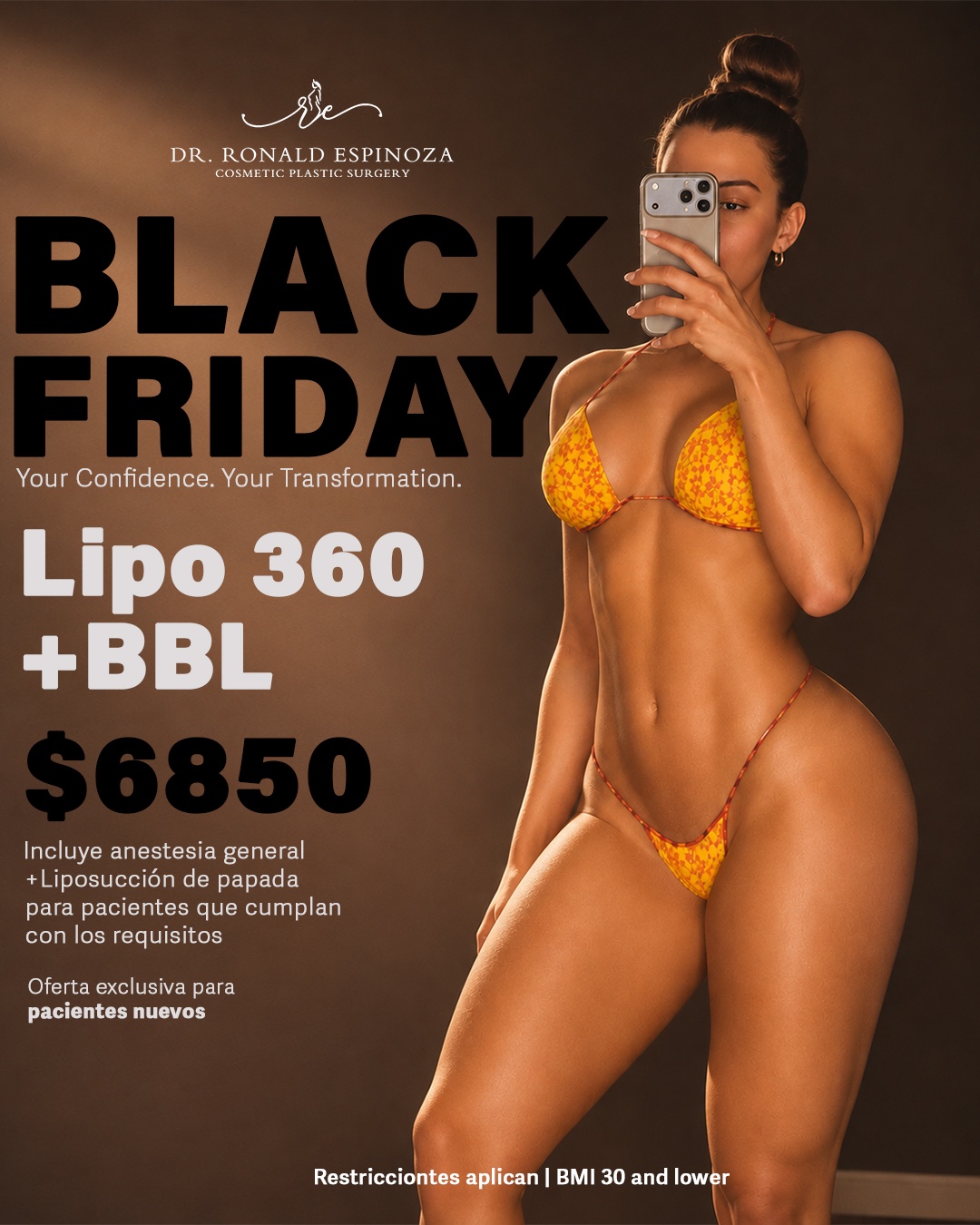
When prospective patients ask qué es lipo con bbl, they are inquiring about one of modern aesthetic surgery's most synergistic procedures: circumferential liposuction paired with autologous fat transfer to the buttocks, commonly known as a Brazilian Butt Lift (BBL). In a vibrant, style-conscious metropolis like New York, where active individuals from Manhattan to Brooklyn seek natural, balanced proportions that fit seamlessly into both tailored professional attire and weekend leisurewear, this two-in-one procedure has become the premier choice for comprehensive body contouring.
Rather than simply adding volume, the combination operates on an artistic principle of subtraction and addition. By meticulously removing stubborn fat from areas like the abdomen, flanks, and lower back, a plastic surgeon creates a narrower, firmer waistline while simultaneously preparing purified donor fat to enhance the shape, projection, and fullness of the buttocks and hips.
How Liposuction and BBL Work Together for New York Patients
The combination of liposuction and a BBL is fundamentally an autologous tissue transfer. That means your body's own natural tissue is harvested, processed, and artfully repositioned. The procedure is typically performed under general anesthesia in an accredited surgical facility and consists of three distinct phases:
- Precision Liposuction: Using specialized thin tubes called cannulas, the surgeon gently loosens and extracts localized fat deposits. Most frequently, this involves Liposuction 360, which addresses the entire midsection—including the upper and lower abdomen, waist, love handles, and the sacral area above the tailbone. This deepens the natural curve of the lower back and creates an athletic taper.
- Purification and Processing: Once harvested, the adipose tissue is collected in a sterile closed system. It is separated from tumescent fluid, blood cells, and free lipids via gentle centrifugation or specialized filtration, leaving only resilient, viable fat cells ready for grafting.
- Targeted Micro-Droplet Grafting: The purified fat is drawn into small syringes and re-injected into the buttocks and hip dips in delicate, multi-layered micro-droplets. Placing these droplets throughout the subcutaneous tissue ensures that each transplanted fat cell can establish a new blood supply, maximizing long-term retention.
Subtractive Contouring Meets Additive Volume
Many patients initially believe that achieving an hourglass or athletic silhouette requires extensive augmentation alone. However, the frame surrounding the hips and buttocks matters just as much as the projection itself. By slimming the torso and contouring the lower back, the surgeon accentuates the natural curvature of the gluteal region. Even a moderate amount of transferred fat yields dramatic aesthetic harmony when the adjacent areas are lean and sculpted.
Why Lipo + BBL Remains the Preferred Contouring Method
Patients researching their surgical options quickly discover distinct advantages to pairing liposuction with fat grafting compared to synthetic alternatives or single-area procedures.
Completely Natural Look and Feel
Unlike artificial gluteal implants, which present risks of displacement, capsular contracture, or unnatural firmness, fat grafting relies entirely on your own living cells. Once the grafted tissue heals and integrates, it responds to changes in your body just like natural subcutaneous tissue. It feels soft, moves organically, and transitions smoothly into the thighs and lower back.
Addressing Multiple Concerns in One Surgery
Combining procedures means undergoing a single anesthesia session, one preoperative clearance process, and one consolidated recovery period. Patients address common frustration zones—such as diet-resistant abdominal fullness, bra rolls, or prominent hip dips—while simultaneously improving gluteal projection and proportion.
Long-Lasting, Permanent Results
While some of the transferred fat (typically between twenty and forty percent) is naturally reabsorbed by the body during the initial healing window, the fat cells that successfully integrate establish a permanent blood supply. Those surviving cells behave permanently like normal adipose tissue, providing lasting shape for years to come provided you maintain a relatively stable weight.
Patient Safety and Modern Grafting Standards
Patient safety is the absolute cornerstone of modern body contouring. In past decades, complications occasionally arose when fat was improperly injected deep into or beneath the gluteal muscles, where large pelvic veins reside. Today, board-certified plastic surgeons adhere to rigorous, standardized safety guidelines.
Under contemporary protocols, fat is grafted exclusively into the superficial subcutaneous space—the safe, fatty layer directly beneath the skin—and never into deep muscle layers. Advanced surgical instruments, controlled injection pressures, and intraoperative positioning allow for meticulous, artistic contouring without jeopardizing systemic vascular safety.
Navigating Recovery in New York: Transit, Follow-Ups, and Urban Logistics
Recovering from a combined liposuction and BBL in a bustling urban center requires thoughtful preparation. Whether you reside in an Upper East Side brownstone, a high-rise in Long Island City, or commute from Westchester or Queens, planning your post-operative environment in advance ensures a smooth recuperation.
Post-Operative Transit and Travel
Following your procedure, you will not be permitted to use the subway, hail a standard street cab, or take rideshare services alone. You must arrange for a responsible adult friend, relative, or private medical transport service to accompany you from the surgical center directly to your recovery space. For the car ride home, a comfortable BBL pillow or modified reclining position should be prepared in advance so you avoid direct sitting pressure on the newly grafted areas.
Managing the First Two Weeks at Home
During the initial phase of healing, minimizing direct, prolonged pressure on your buttocks is crucial for graft survival. Consider the following urban living recommendations:
- Seating Modifications: Invest in an ergonomic BBL cushion that supports your upper thighs rather than your buttocks. You will need to sleep on your stomach or sides for at least two to three weeks.
- Building and Delivery Logistics: If you live in a walk-up apartment in Greenwich Village or Astoria, ensure you have assistance with stairs for the first few days. Arrange grocery and meal deliveries in advance to minimize physical exertion.
- Medical Compression Garments: You will wear a surgical faja continuously (except when showering) to control swelling, encourage skin retraction across liposuctioned areas, and support your new contours.
Post-Operative Appointments
Regular follow-up appointments allow your surgeon to evaluate fluid levels, monitor tissue healing, and recommend specialized manual lymphatic drainage (MLD) therapy. Coordinating convenient ground transit into Manhattan for these check-ins ensures that any minor concerns are addressed immediately by your surgical team.
Who Is an Ideal Candidate for the Procedure?
While the combination of liposuction and a BBL is remarkably versatile, it is not a weight loss solution. The procedure is designed for body reshaping and contour refinement. Ideal candidates generally share several characteristics:
- Are at or close to a stable, maintainable body mass index (BMI).
- Possess sufficient localized fat deposits in the abdomen, flanks, back, or thighs to harvest adequate donor tissue.
- Have good skin elasticity, which allows the skin to contract smoothly over newly contoured areas without significant laxity.
- Are non-smokers (or willing to stop smoking and nicotine products completely weeks before and after surgery), as nicotine severely constricts micro-capillaries and compromises fat graft survival.
- Hold realistic expectations regarding their natural anatomy, asymmetry, and potential volume retention.
By consulting with a board-certified plastic surgeon, you can determine whether your physiological proportions and aesthetic goals align with this comprehensive body sculpting approach.
Schedule your consultation with Dr. Ronald Espinoza
Dr. Espinoza and his team guide you through every step, from your first consultation to full recovery.
Request a consultation · Call (212) 299-9979 · See before & after results · Financing options
Frequently asked questions
- How long do I have to avoid sitting directly after a Lipo + BBL in New York?
- Most patients are advised to avoid prolonged, direct pressure on their buttocks for at least two to three weeks following surgery. When sitting is necessary—such as during meals or car rides between New York boroughs—patients use a specialized BBL pillow that distributes body weight across the hamstrings rather than the newly grafted gluteal tissue.
- Can I use the New York City subway system during early recovery?
- Public transit is not recommended during the initial two weeks of recovery. The sudden stops, crowded platforms, and steep stairways common in New York subway stations present unnecessary risks of bumping, falls, and strain on healing incisions. Private transport or rideshares with appropriate supportive seating are far safer alternatives.
- What happens if I don't have enough donor fat for a BBL?
- Patients with very low body fat percentages may have limited donor sites. During your initial consultation, your surgeon will evaluate multiple areas including the abdomen, waist, back, inner thighs, and arms. If you still lack sufficient adipose tissue, alternative body sculpting strategies or a staged plan may be discussed.
- How soon can I return to work and an active lifestyle in New York?
- Patients working sedentary desk jobs or remote setups typically return to light duties within ten to fourteen days using a modified seating cushion. However, high-impact workouts, heavy lifting, and long walking commutes across Manhattan or Brooklyn should be paused until clearance is granted by your surgeon, usually around six weeks post-op.