
2026-11-07T01:34:59.469+00:00
How to Sleep and Sit After a BBL in New York: Protecting Your Fat Transfer
Dr. Ronald Espinoza · 5 min read
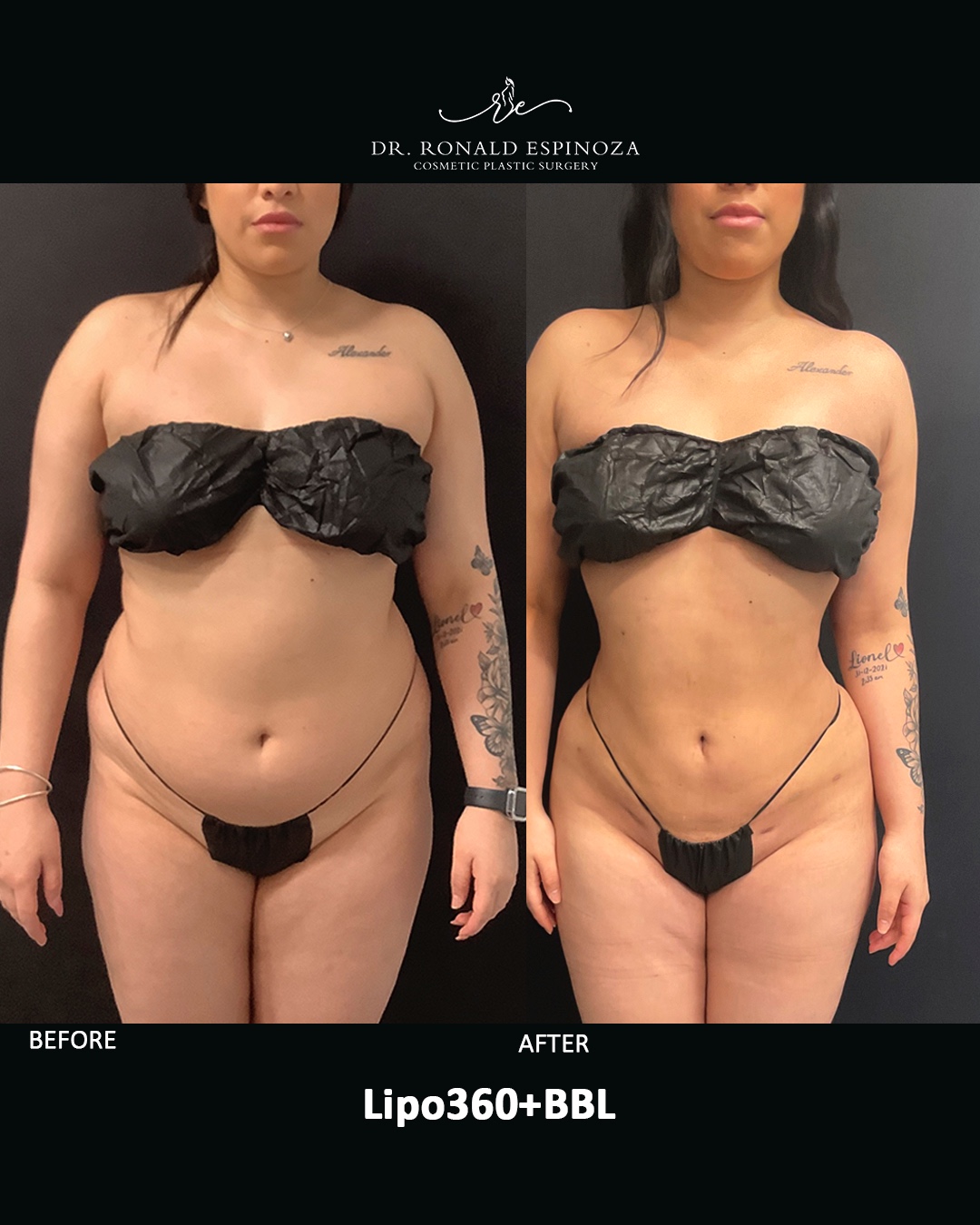
Undergoing a Brazilian Butt Lift (BBL) is an investment in your body contour, but the final outcome depends heavily on post-operative care. For patients recovering in New York, knowing how to sit and sleep without placing pressure on newly transferred fat is vital to achieving lasting, symmetrical results. Because newly injected fat cells require time to establish a reliable blood supply, avoiding direct compression during the early recovery period is essential for their long-term survival.
The Biology of Fat Survival: Why Direct Pressure Must Be Avoided
During a BBL, your surgeon extracts fat via liposuction, purifies it, and strategically injects it into targeted areas of the buttocks and hips. In the initial days and weeks following surgery, these transferred fat cells are fragile. They do not yet have their own direct blood supply; instead, they survive through a biological process called imbibition, gradually developing new micro-vessels (neovascularization) over several weeks.
When you sit directly on your buttocks or lie flat on your back, you create sustained ischemic pressure. This restricts oxygen and nutrient delivery to the delicate graft, causing cells to break down, reabsorb, or develop firmness rather than softening into natural tissue. Protecting this grafted fat requires deliberate positioning and specialized recovery aids throughout your healing journey.
How to Sleep After a BBL: Safe Positions and Setup in New York Apartments
Sleeping is one of the most critical aspects of post-operative care because it involves extended periods of immobility. For the first two to four weeks—and often up to six weeks depending on your surgeon's specific protocol—you must strictly avoid sleeping directly on your back.
The Prone Position (Sleeping on Your Stomach)
Sleeping face-down is generally considered the safest post-operative position. To keep your spine comfortable and prevent neck strain:
- Place a soft, thin pillow under your chest or pelvis to alleviate pressure on your lower back.
- Use a contoured neck pillow or massage-style face cradle to keep your head neutral without twisting your cervical spine.
- Ensure your abdomen remains cushioned if you also underwent 360-degree liposuction.
Side-Sleeping with Strategic Support
If you cannot comfortably remain on your stomach all night, side-sleeping is a medically acceptable alternative, provided fat was not predominantly grafted into the lateral hip areas. If hip grafting was performed, lateral pressure must be avoided. When cleared for side-sleeping:
- Place a firm pillow between your knees to keep your hips aligned.
- Use a long body pillow behind your back to prevent accidentally rolling onto your buttocks during deep sleep.
- Alternate sides regularly to prevent uneven swelling or localized fluid accumulation.
For patients living in high-rise Manhattan apartments or brownstones in Brooklyn, bedroom space can sometimes be limited. Planning your sleep setup before surgery—clearing a spacious pathway to the bathroom and outfitting your bed with supportive pillows—ensures you do not have to struggle with awkward maneuvering while your mobility is restricted.
How to Sit After a BBL: Using a Specialized BBL Pillow
Sitting flat on your buttocks is strictly prohibited during the initial stages of healing. However, everyday recovery often requires seated moments for eating or working. This is where an offloading BBL pillow becomes indispensable.
How a BBL Pillow Works
A BBL cushion is made of firm, high-density foam designed to sit beneath the lower aspect of your posterior thighs rather than directly under your buttocks. By elevating your thighs, the cushion suspends your gluteal area in mid-air, allowing zero contact between the grafted tissue and the surface of your chair.
Proper Sitting Technique
To use an offloading pillow safely:
- Target the upper thighs: Place the cushion on a sturdy, firm chair and align it so your weight rests entirely across the back of your thighs.
- Keep your feet flat: Maintain your feet firmly on the floor to distribute weight evenly and prevent strain on your hamstrings.
- Limit sitting duration: Even with an ergonomic pillow, avoid prolonged sitting. Limit seated intervals to 15 to 20 minutes at a time during the first month, standing or walking lightly between intervals.
- Avoid soft furniture: Never use a BBL pillow on soft sofas, plush armchairs, or deep seating, as these surfaces allow your buttocks to sink and make contact with the cushions underneath.
Navigating Post-BBL Travel and Commuting Across New York
Living in New York presents unique urban transit challenges during cosmetic surgery recovery. Navigating from our surgical facility back home to Manhattan, Brooklyn, Queens, or Long Island requires careful pre-planning.
Post-Operative Transit Home
Immediately following discharge, public transportation like the NYC subway or public buses must be avoided completely. The sudden stops, uneven platforms, crowded staircases, and lack of controlled seating pose significant risks to your surgical sites and balance. Instead, arrange for private transportation or a comfortable rideshare with a designated caregiver.
Riding in a Vehicle Safely
When riding in a vehicle across bridges or through city traffic:
- Recline the front passenger seat significantly so your weight rests against your back and thighs, lifting pressure off your gluteal region.
- Alternatively, use your certified BBL pillow on a flat vehicle seat, ensuring your buttocks remain suspended and free of contact.
- Plan for traffic delays. Manhattan street congestion or delays on the Long Island Expressway can extend transit times; bring a small bolster to adjust your positioning if you feel localized tension developing.
Timeline for Resuming Normal Sitting and Sleeping Habits
Recovery is a progressive process, and your body will gradually adjust as the grafted fat stabilizes:
- Weeks 1–2: Zero direct sitting allowed without an offloading pillow. Sleep strictly prone (on your stomach). Movement should consist of frequent, gentle walking inside your home to encourage healthy circulation.
- Weeks 3–4: Continued use of the BBL pillow for brief periods. Gentle side-sleeping may be gradually introduced if cleared by your surgeon.
- Weeks 6–8: Most transferred fat cells have established stable microvascular networks. You will typically be cleared to sit on soft surfaces for normal durations and resume natural sleep positions, following your surgeon's in-person evaluation.
Adhering strictly to these guidelines protects the time, effort, and artistry invested into your procedure, ensuring your newly transferred contours settle smoothly and symmetrically.
Schedule your consultation with Dr. Ronald Espinoza
Dr. Espinoza and his team guide you through every step, from your first consultation to full recovery.
Request a consultation · Call (212) 299-9979 · See before & after results · Financing options
Frequently asked questions
- How long must I wait to sit normally after a BBL?
- Most patients must avoid direct, unprotected sitting for six to eight weeks. During the first month, any sitting should be strictly limited to short intervals using an offloading BBL pillow beneath the thighs.
- Can I take the NYC subway home after my surgery?
- No. The NYC subway should be avoided during the immediate post-operative period due to stairways, sudden jolts, and crowded conditions. Private vehicle transport with an arranged caregiver is essential.
- What happens if I accidentally roll onto my back while sleeping?
- A brief, accidental roll onto your back is unlikely to ruin your results, but repeated or sustained pressure can compromise blood supply to the graft. Use firm body pillows around your torso to physically block yourself from turning over.
- When can I return to an office desk job in New York?
- Many patients return to sedentary desk work within 10 to 14 days, provided they can use a standing desk setup or an approved BBL cushion, standing up to walk every 20 minutes to maintain healthy circulation.