
2026-11-16T05:01:19.97+00:00
HD Liposuction vs Traditional Liposuction for BBL in New York
Dr. Ronald Espinoza · 5 min read
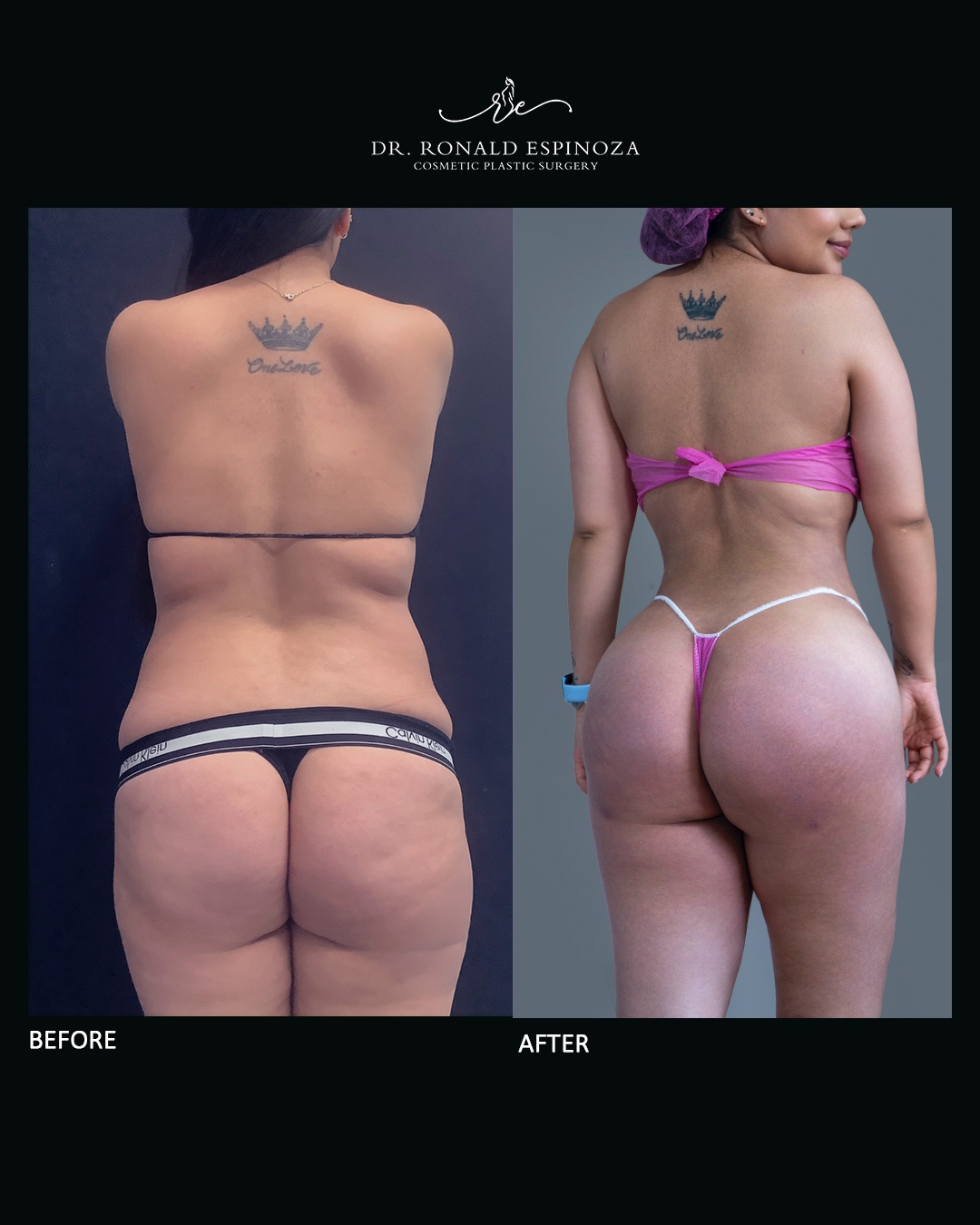
When preparing for a Brazilian Butt Lift (BBL), the method used to extract fat is just as critical as the transfer itself. Patients traveling to our New York practice from Manhattan, Brooklyn, Queens, and surrounding communities often ask about the foundational diferencia lipoescultura hd y tradicional (the difference between HD and traditional liposuction). Understanding how these two modalities differ in technique, anatomical targeting, and contouring capability enables you to make an informed decision for your body goals.
The Core Technical Differences: HD vs Traditional Liposuction
At its core, traditional liposuction is designed for volume reduction. High-definition liposculpture (HD lipo), by contrast, is an advanced surgical technique focused on artistic muscle definition, shadow creation, and precise anatomical highlighting. Both approaches successfully remove unwanted adipose tissue, but their philosophies and endpoints differ significantly.
Traditional Liposuction: Bulk Volume Removal
Traditional liposuction primarily targets the deep subcutaneous fat layer. Using standard hollow cannulas and tumescent fluid, the surgeon extracts fat pockets from zones such as the lower abdomen, flanks, back, and thighs. The main objective is debulking—slimming down a fuller silhouette to produce a flatter, smaller contour. It is an exceptional tool when the priority is reducing circumference and obtaining a substantial volume of donor fat for subsequent transfer.
HD Liposculpture: Precision Anatomical Etching
High-definition liposculpture addresses both the deep and superficial subcutaneous fat layers. By treating fat as an artistic medium, the surgeon selectively removes fat along the borders of natural musculature—such as the rectus abdominis, the linea alba, the obliques, and the serratus. Energy-assisted modalities, such as ultrasound (VASER) or radiofrequency technology, are frequently utilized to liquefy fat gently before aspiration, allowing for ultra-fine sculpting close to the skin surface without damaging delicate tissues.
Comparing HD Lipo vs Traditional Lipo Before a New York BBL
A BBL consists of two distinct stages: harvesting donor fat and strategically re-injecting purified fat into the gluteal and hip regions. The way fat is removed directly shapes your torso and determines the volume and viability of the graft.
- Torso Frame & Waist-to-Hip Ratio: Traditional lipo narrows the waistline by uniformly removing fat. HD lipo goes a step further by carving muscular highlights into the abdomen while aggressively narrowing the waist and lower back, producing a dramatically sharper contrast between the waist and hips.
- Fat Viability for Grafting: Both methods yield fat suitable for transfer. However, when energy devices are used during HD liposuction, the thermal settings must be meticulously calibrated by a skilled surgeon to avoid compromising the survival rate of the fat cells destined for the buttocks.
- Skin Retraction Requirements: HD liposculpture demands exceptional skin elasticity. Because superficial fat is removed, patients with loose or lax skin may experience surface irregularities. Traditional liposuction leaves a thicker layer of superficial fat beneath the dermis, which can be more forgiving for patients with mild skin laxity.
Candidacy: Which Approach Aligns with Your Anatomy?
Choosing between traditional lipo and HD lipo prior to a BBL depends heavily on your baseline body composition, tissue quality, and aesthetic ambitions.
Ideal Candidates for HD Liposuction with BBL
Patients who benefit most from HD liposculpture are generally near their ideal body weight and maintain an active lifestyle. They possess good baseline muscle tone that simply remains hidden beneath a stubborn layer of subcutaneous fat. Their skin must have high elasticity to ensure it contracts cleanly over the newly sculpted muscular grooves.
Ideal Candidates for Traditional Liposuction with BBL
Traditional liposuction is often the superior choice for individuals who have higher volumes of pinchable fat, lower baseline muscle definition, or moderate skin laxity. It is also well-suited for patients seeking a softer, smoother, and more natural overall silhouette rather than an athletic, chiseled appearance.
Navigating Consultation and Recovery Across New York City
Undergoing body contouring in New York requires thoughtful logistical planning. From scheduling initial consultations to managing postoperative movement, local considerations play an active role in a smooth surgical journey.
The Surgical Consultation
During an in-person consultation in our New York office, Dr. Espinoza evaluates tissue turgor, subcutaneous thickness, and your underlying musculoskeletal anatomy. We examine whether your aesthetic goals require structural debulking, athletic etching, or a tailored hybrid protocol before grafting.
Postoperative Care and City Logistics
BBL recovery requires strict adherence to offloading pressure from the gluteal area. In a walking-heavy city like New York, patients must plan transportation carefully:
- Transit Planning: Avoid public transit such as the subway during the initial healing window. Arrange private vehicular transport for your surgery day and follow-up visits, utilizing a dedicated BBL pillow to keep pressure off the recipient site.
- Compression Therapy: Both traditional and HD lipo necessitate medical-grade compression garments (fajas). HD lipo often involves customized foam inserts (tablas) to preserve the etched abdominal grooves and minimize fluid collection.
- Manual Lymphatic Drainage (MLD): Postoperative lymphatic massage is critical to eliminate residual tumescent fluid, soften scar tissue, and prevent seromas. We assist patients in connecting with licensed MLD therapists throughout Manhattan, Brooklyn, and Queens to ensure continuity of care.
Surgical Precision and Safety Above All
Regardless of whether you select traditional liposuction or HD liposculpture to sculpt your body before a BBL, patient safety remains paramount. Fat must strictly be grafted into the subcutaneous space, avoiding the deeper muscular layers. Choosing a board-certified plastic surgeon experienced in both advanced liposuction physics and anatomical fat grafting ensures that your transformation is not only aesthetically refined, but executed with the highest medical standards.
Schedule your consultation with Dr. Ronald Espinoza
Dr. Espinoza and his team guide you through every step, from your first consultation to full recovery.
Request a consultation · Call (212) 299-9979 · See before & after results · Financing options
Frequently asked questions
- What is the key diferencia lipoescultura hd y tradicional when planning a BBL?
- Traditional liposuction focuses on broad debulking of deep fat layers to reduce overall circumference, while HD liposculpture selectively removes both deep and superficial fat to etch natural muscle contours. Both provide donor fat for a BBL, but HD lipo delivers a more athletic, defined torso frame.
- Does HD liposuction affect the survival rate of the fat transferred during a BBL?
- When performed by a board-certified plastic surgeon, HD liposuction yields high-quality, viable fat for transfer. Energy-assisted devices such as ultrasound are calibrated precisely to liquefy fat without overheating or damaging the delicate adipocytes needed for successful grafting.
- How should New York patients prepare for recovery after HD lipo and BBL?
- Patients living in New York should arrange private car transportation rather than public transit for the first several weeks. You will need to avoid sitting directly on the gluteal area, wear specialized compression garments with abdominal foam boards, and schedule routine manual lymphatic drainage sessions nearby.
- Can traditional liposuction and HD liposculpture be combined?
- Yes. A surgeon may use traditional techniques to debulk larger donor zones, such as the inner thighs or upper back, while utilizing high-definition liposculpture around the abdomen and waistline to maximize the athletic definition and enhance the waist-to-hip transition before fat injection.