
2026-11-16T05:44:42.644+00:00
BBL Fat Survival in New York: How Much Fat Lasts and How to Maximize Results
Dr. Ronald Espinoza · 6 min read
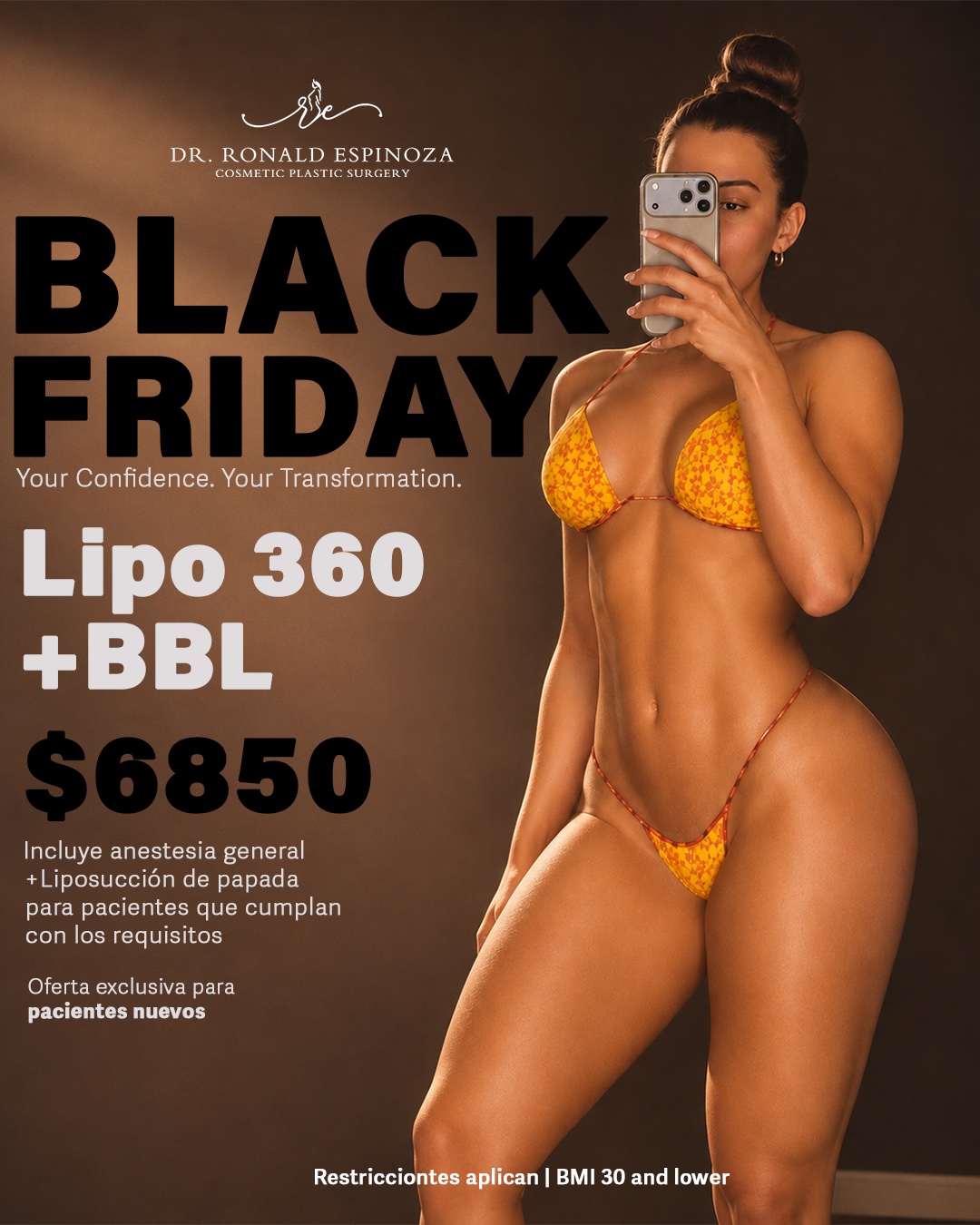
When planning a Brazilian Butt Lift (BBL) in New York, one of the most critical questions prospective patients explore is how much transferred volume will actually remain permanent. Prospective patients frequently ask cuanta grasa se reabsorbe en un bbl—meaning how much fat is naturally reabsorbed by the body after surgery. On average, clinical evidence demonstrates that approximately 60% to 80% of transferred fat cells successfully integrate, while the remaining 20% to 40% are naturally metabolized and cleared away by your lymphatic system during the initial healing phases.
Understanding this biological reality allows you to approach your body contouring journey with confidence and clarity. Fat grafting is not merely a volumetric filling procedure; it is a delicate tissue transplantation that requires proper surgical technique, ideal blood supply, and diligent postoperative care to ensure optimal cell viability.
Understanding Fat Graft Survival: The Biology of Neovascularization
Fat transfer relies on a living biological process known as neovascularization. When donor fat is harvested via gentle liposuction, purified, and re-injected into the target areas, those fat cells do not arrive with their own independent blood supply intact. Instead, they must establish new capillary networks with surrounding tissue to receive oxygen and essential nutrients.
During the first 48 to 72 hours, grafted cells survive purely through tissue diffusion. Over the subsequent weeks, tiny blood vessels branch into the graft. Cells that successfully establish vascular connections become a permanent part of your anatomy. Cells that fail to establish blood flow within this critical window undergo cellular breakdown and are gradually reabsorbed by the body. This is why immediate postoperative volume appears noticeably fuller than the settled result at three to six months.
Why Your New York Consultation Sets the Stage for Long-Term Retention
Achieving predictable fat graft retention begins well before entering the operating room. During your private surgical consultation in New York, evaluating your tissue elasticity, donor site availability, and overall vascular health establishes a baseline for surgical safety and aesthetic harmony.
A board-certified plastic surgeon evaluates several anatomical factors to predict how your tissue will receive grafted fat:
- Tissue Turgor and Capacity: Tighter buttock tissue limits the volume of fat that can be placed without creating excessive internal pressure, which can starve incoming cells of oxygen.
- Donor Fat Quality: Subcutaneous fat harvested from the abdomen, flanks, or lower back must be extracted gently to preserve cell membrane integrity.
- Subcutaneous Plane Safety: Standard surgical protocol strictly dictates placing fat grafts exclusively in the subcutaneous layer above the gluteal muscle, maximizing safety while providing a vascularized bed for graft take.
Patients traveling from Brooklyn, Queens, Long Island, or Upper Manhattan benefit from an in-depth anatomical assessment that tailors the liposuction plan and graft distribution specifically to their natural frame.
Factors Influencing Fat Reabsorption After BBL Surgery
While biological variability exists from person to person, several well-documented variables dictate how much volume survives versus reabsorbs over time.
Harvesting and Purification Technique
The method used to extract and prepare the fat is paramount. Gentle, low-pressure liposuction prevents trauma to cellular membranes. Once harvested, the fat must be purified to separate viable adipocytes from tumescent fluid, free lipids, and blood components before reinjection. Pure, concentrated fat parcels survive at significantly higher rates than unwashed aspirates.
Direct Mechanical Pressure and Shear Forces
Transplanted fat cells are extremely fragile during their first six to eight weeks. Sitting directly on your buttocks or lying on your back compresses new capillaries, cutting off blood flow before it can fully form. This mechanical starvation directly increases reabsorption and can lead to uneven contouring or diminished projection.
Systemic Circulation and Lifestyle Choices
Nicotine and smoking are catastrophic to microvascular circulation. Nicotine constricts blood vessels, drastically lowering tissue oxygenation and causing massive graft failure. Proper hydration, balanced nutrition rich in healthy fats and proteins, and steady weight maintenance provide the cellular building blocks required for long-term tissue survival.
Navigating BBL Recovery in New York City: Transit, Sitting, and Lifestyle Logistics
Undergoing a BBL in New York presents unique recovery considerations that require advance planning. Between navigating bustling streets, high-rise buildings, and everyday transit, protecting your new curves requires deliberate lifestyle adjustments.
Handling NYC Transit and Travel After Discharge
After your procedure, returning home safely to your apartment in Manhattan, Queens, or across the bridge in Brooklyn requires avoiding direct pressure on your gluteal region. You will need a trusted adult to escort you. When taking a car service or private vehicle home, recline in the passenger seat or lie sideways across the rear seat with supportive cushions underneath your pelvis or thighs rather than sitting upright. Avoid public subways or city buses entirely during early recovery, as sudden stops and jostling create unnecessary strain and pressure.
Adapting Walk-Up Apartments and Daily Routines
Many New York residential buildings feature walk-up staircases or compact layouts. While gentle walking is encouraged from day one to stimulate circulation and prevent deep vein thrombosis, ascending steep staircases should be taken slowly, one step at a time, without straining the gluteal muscles. Prepare your living space in advance: arrange high-top seating, ergonomic setups for remote work, and supportive pillows around your bed so you can rest comfortably on your stomach or sides without rolling onto your back.
A Clinical Guide to Maximizing Your Fat Graft Retention
While you cannot control every biological element of fat take, strictly following postoperative instructions significantly reduces unnecessary reabsorption:
- Use a Specialized BBL Pillow: When seated after the initial clearance period, use an ergonomic offloading cushion placed under your upper thighs to suspend your buttocks in mid-air.
- Wear Your Compression Garment (Faja): A properly fitted surgical garment reduces edema, controls fluid collection, and supports the donor areas, allowing tissues to retract smoothly.
- Fuel Your Body with Caloric Support: Healing requires metabolic energy. Avoid restrictive dieting or aggressive cardiovascular exercise during the first eight weeks, as severe caloric deficits cause the body to consume freshly grafted fat.
- Avoid Direct Heat: Hot baths, saunas, and heating pads must be avoided completely, as thermal shifts can damage sensitive, unvascularized fat cells.
- Maintain a Stable Weight: Transferred fat cells behave just like fat anywhere else on your body. If you gain weight, they enlarge; if you lose significant weight, they shrink.
When Are Final BBL Results Truly Settled?
Assessing the final shape of your BBL requires patience. In the first three weeks, postoperative swelling (edema) gives a false impression of extreme volume. Between weeks four and eight, swelling subsides, and non-viable fat is gradually reabsorbed, which can make the buttocks appear slightly smaller.
By month three, neovascularization is largely complete, and the remaining fat has integrated permanently. Subtle refinement in tissue softness and skin tightening continues through months six to nine. At this stage, your outcome represents permanent, living tissue that responds naturally to your lifestyle over time.
Schedule your consultation with Dr. Ronald Espinoza
Dr. Espinoza and his team guide you through every step, from your first consultation to full recovery.
Request a consultation · Call (212) 299-9979 · See before & after results · Financing options
Frequently asked questions
- How much fat is typically reabsorbed after a BBL?
- On average, between 20% and 40% of the transferred fat cells are naturally reabsorbed by the body within the first two to three months. The remaining 60% to 80% that successfully develops a blood supply remains permanently.
- How should I travel home after a BBL in New York City?
- Arrange for a private ride home rather than taking public transportation. Lie on your stomach or side across the back seat, or recline significantly with weight supported entirely by your thighs and back to keep direct pressure off your buttocks.
- When can I sit normally after BBL surgery?
- Most surgeons advise avoiding direct sitting on the buttocks for at least two to three weeks. After this period, you can use a specialized BBL cushion under your thighs for brief periods, returning to normal sitting around six to eight weeks post-op.
- Does losing weight in New York after recovery ruin my BBL results?
- Because transferred fat cells behave like natural fat, significant weight loss can cause those surviving cells to shrink in volume, while weight gain can cause them to expand. Maintaining a stable, healthy weight is ideal for preserving your contour.